
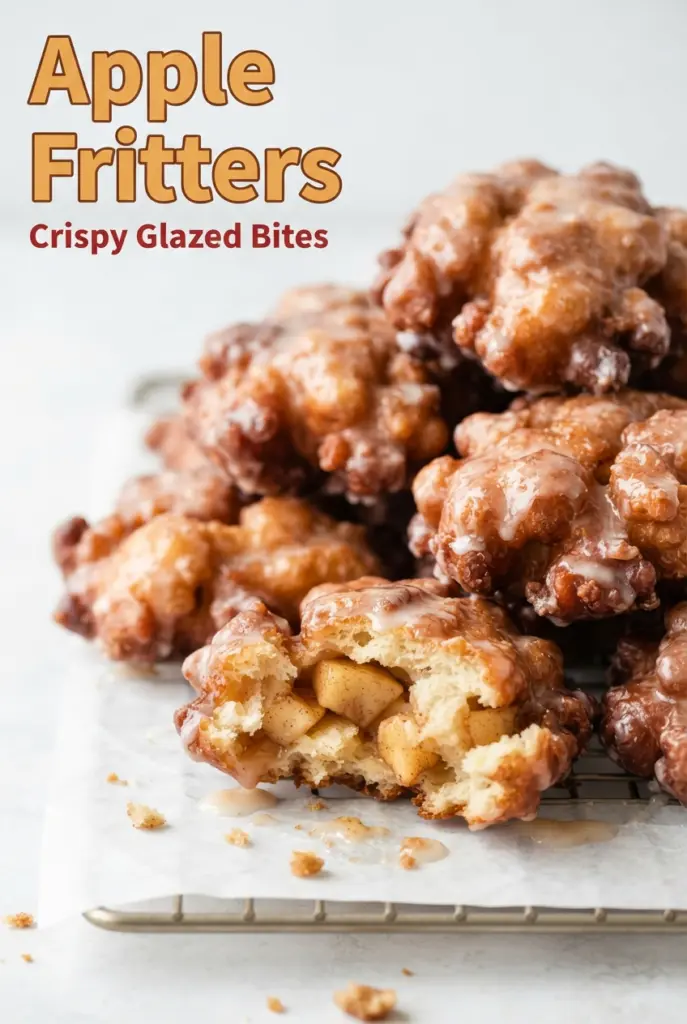
Apple Fritters
Golden, craggy apple fritters are hard to beat when you want something that eats like a bakery treat but still feels worth making at home. The outside fries up crisp…
Tip: save now, cook later.Golden, craggy apple fritters are hard to beat when you want something that eats like a bakery treat but still feels worth making at home. The outside fries up crisp and deeply browned, while the inside stays soft and cakey with little pockets of tender apple. The glaze sets into a thin sweet shell that cracks just enough when you bite in.
What makes this version work is the balance: enough baking powder to lift the batter, but not so much that the fritters turn bready, and apples cut small enough to soften without making the dough wet. The batter should look thick and spoonable, not pourable. If it runs all over the pan, the fritters will spread flat instead of puffing into those rough, bakery-style rounds people expect.
Below, I’ll walk through the part that matters most — getting the oil temperature right — plus the little details that keep the glaze from sliding off and the centers from staying doughy. There’s also a section on the best apple swaps if you only have one kind on hand.
The fritters came out crisp on the outside and fluffy inside, and the apples stayed juicy without making the batter heavy. I followed the oil temperature tip and they cooked evenly instead of soaking up grease.
Save these crispy apple fritters for the next time you want a bakery-style breakfast with a crackly glaze and tender apple bites.
The Reason Apple Fritters Go Dense Instead of Light
The biggest mistake with apple fritters is treating the batter like cake batter and overmixing it. Once the flour goes in, stop when the streaks disappear. A few small lumps are fine. Stirring too long builds gluten, and that gives you heavy fritters with a tight crumb instead of the soft, fluffy center you want.
Oil temperature matters just as much. Too cool, and the batter drinks up grease before the outside sets. Too hot, and the outside browns before the middle cooks. Keep the oil around 350°F and adjust between batches. The fritters should hiss as they hit the oil, then rise and turn deep golden with rough edges that look crisp, not soggy.
- Diced apples — Small pieces cook through faster and stay distributed in the batter. Big chunks create wet pockets and make the fritters fall apart.
- Baking powder — This gives the fritters their lift. Older baking powder won’t puff the batter as well, so check the date if your fritters keep turning flat.
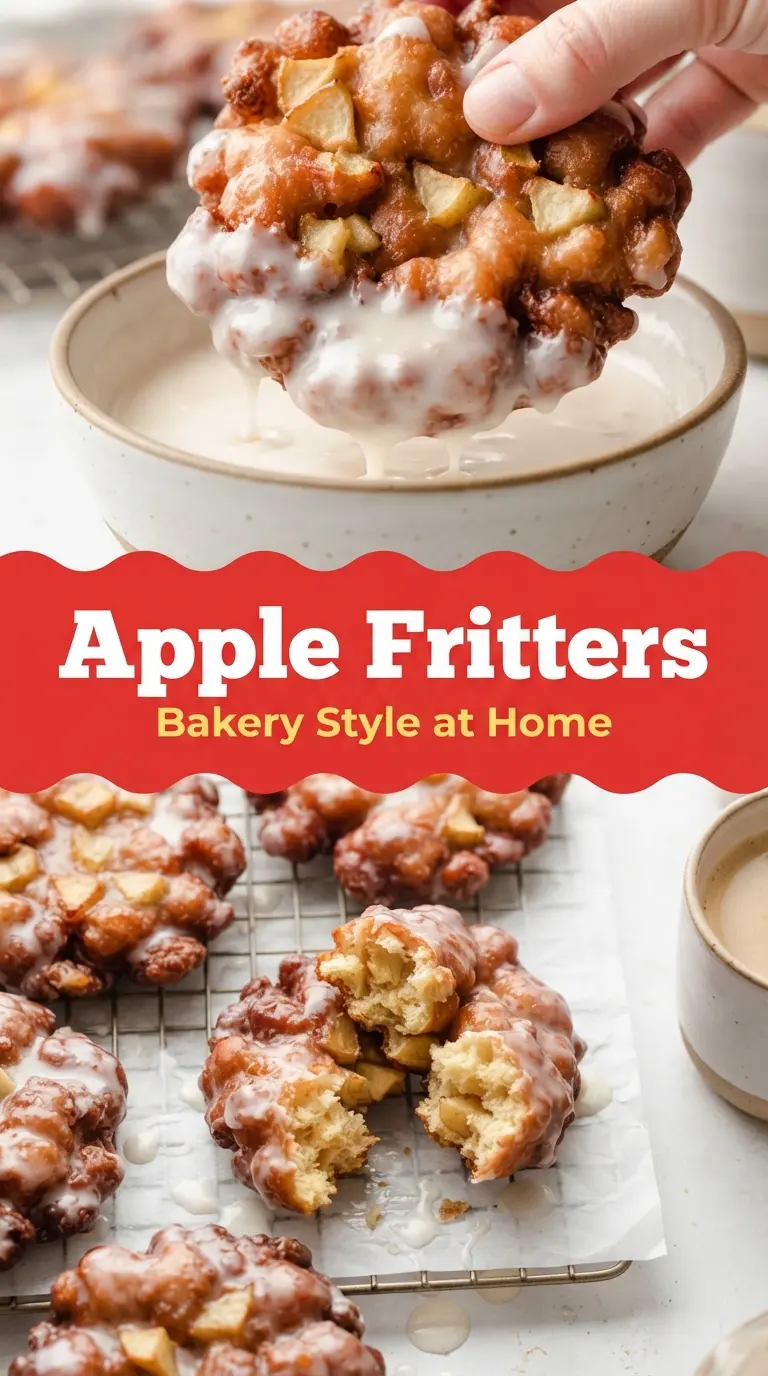
- Vanilla glaze — The glaze is thin enough to soak slightly into the crust, then set on the surface. If it’s too thick, the fritters turn sticky instead of glossy.
What Each Ingredient Is Doing in These Apple Fritters
- All-purpose flour — This gives the fritters structure without making them tough. Bread flour makes them chewier and less tender, which isn’t what you want here.
- Granulated sugar — Just enough to sweeten the batter and help the fritters brown. Don’t add more or the outsides can darken too quickly before the centers are done.
- Ground cinnamon — Cinnamon seasons the batter so every bite tastes like apple fritter, not just fried dough with apples tucked in. Fresh cinnamon gives the clearest flavor.
- Milk and eggs — These bind the batter and keep it soft inside. Whole milk gives a richer result, but 2% works fine if that’s what you have.
- Unsalted butter — Melted butter adds flavor and a little tenderness. If you only have salted butter, use it and hold back a pinch of the added salt.
- Apples — Firm apples hold their shape best. Granny Smith gives a sharper bite, while Honeycrisp or Pink Lady bring more sweetness and stay juicy.
- Powdered sugar glaze — Powdered sugar dissolves fast and gives the smoothest finish. Granulated sugar won’t make the same silky coating.
How to Fry Them So the Centers Cook Before the Outside Burns
Mix the batter just until it comes together
Whisk the dry ingredients first so the baking powder and cinnamon are evenly spread through the flour. Add the wet ingredients and stir only until the flour disappears. The batter should look thick, almost shaggy, and that’s exactly right. If it turns smooth like pancake batter, it’s probably overmixed and will fry up dense.
Fold in the apples at the very end
The diced apples go in last so they stay intact and don’t get bruised into the batter. Use a spatula and fold gently until they’re evenly scattered. If the batter seems too loose after adding the apples, the apples were cut too large or especially juicy. Small dice keeps the fritters cohesive and helps them cook through at the same pace.
Fry in batches small enough to control
Drop portions into the oil and flatten them slightly so the centers aren’t too thick. Fry only a few at a time so the oil temperature doesn’t crash. You’re looking for steady bubbling, not violent splattering. When the fritters are deep golden on the first side, flip them and cook the second side until the centers feel set and the edges look crisp.
Glaze them while they’re warm, not blazing hot
Drain the fritters on a rack first so excess oil doesn’t thin the glaze. Dip or spoon the glaze over while they’re still warm enough to help it cling, but not so hot that it melts right off. Give them about 10 minutes to set. That’s when the glaze turns shiny and the outside keeps its crisp edges instead of going sticky.
How to Adapt These Apple Fritters Without Losing the Texture
Use Granny Smith for a sharper, bakery-style bite
Granny Smith apples stay firm and give the fritters a tart edge that balances the sweet glaze. If you prefer a softer, sweeter fritter, use Honeycrisp or Pink Lady, but dice them small so they cook through without turning mushy.
Make them dairy-free
Swap the milk for an unsweetened non-dairy milk and use a plant-based butter alternative or neutral oil in the batter. The fritters still puff well, though the flavor is a little less rich. Use the same amount and keep the glaze thin so it still sets.
Skip the glaze for a less sweet finish
A light dusting of powdered sugar works if you want the fritters less sweet and a little crisper on the outside. They won’t have that shiny bakery coating, but the apple-cinnamon flavor comes through more clearly.
Storage and Reheating
- Refrigerator: Store in an airtight container for up to 2 days. The glaze softens and the crust loses some crispness.
- Freezer: Freeze unfrosted fritters in a single layer, then bag them for up to 2 months. Glaze after reheating for the best texture.
- Reheating: Warm in a 350°F oven for 8 to 10 minutes. The microwave makes them soft and rubbery, so use it only if you don’t care about the crust.
Answers to the Questions Worth Asking
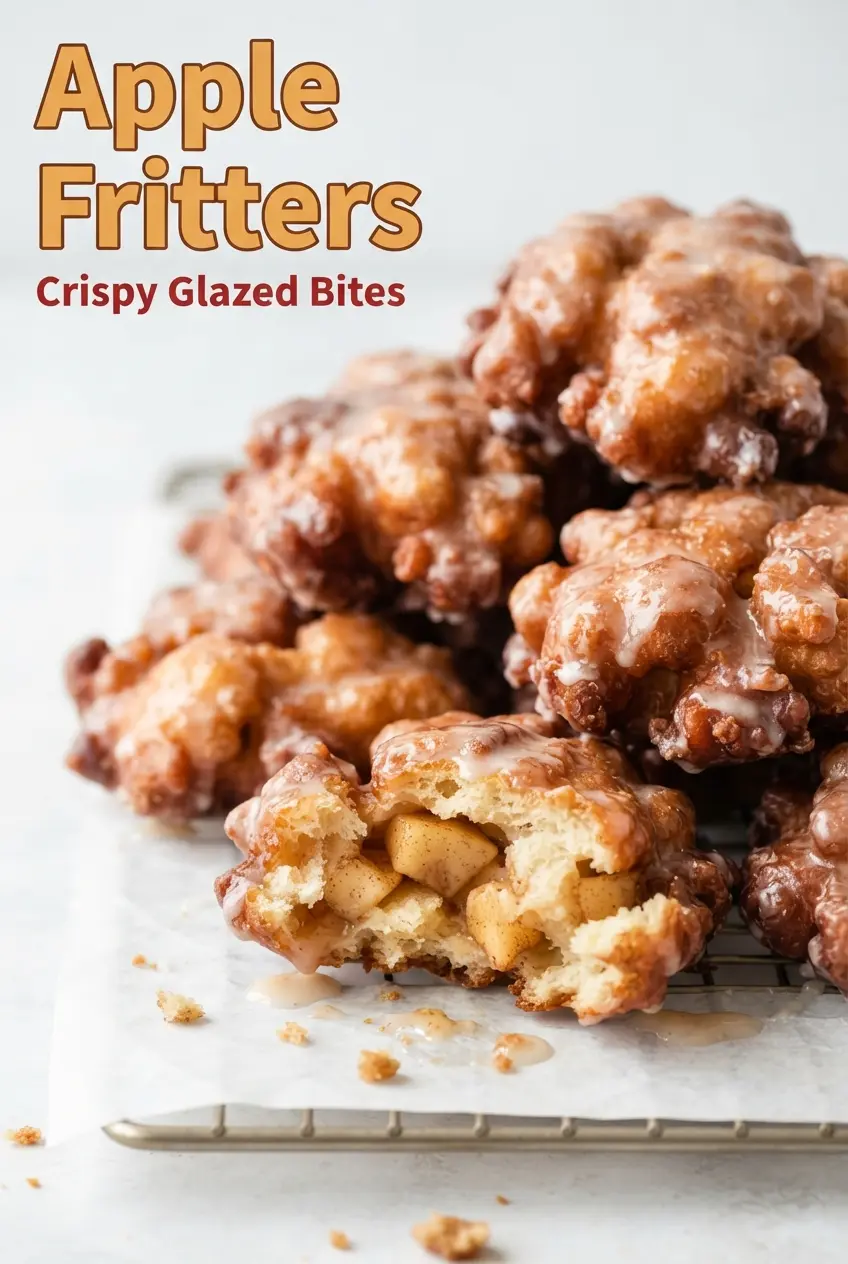
Apple Fritters with Vanilla Glaze
Ingredients
Equipment
Method
- Heat 2 inches of vegetable oil in a heavy pot to 350 F (175 C). Keep the temperature steady so the fritters fry up crisp and golden.
- Whisk together all-purpose flour, granulated sugar, baking powder, salt, and ground cinnamon in a mixing bowl. Break up any lumps so the dry mix is evenly seasoned.
- Whisk milk, eggs, melted unsalted butter, and vanilla extract, then stir into the dry ingredients until just combined. Stop mixing as soon as you no longer see dry flour for a tender fritter crumb.
- Fold in the finely diced apples. Make sure the apple pieces are distributed through the batter.
- Drop 1/4-cup portions of batter into the hot oil, flattening slightly, and fry 3 or 4 at a time. Avoid overcrowding so the oil stays at temperature and the fritters brown evenly.
- Fry for 2 to 3 minutes per side, until deep golden brown and cooked through. Flip once so both sides get crisp and evenly colored.
- Drain the fritters on a wire rack set over paper towels. Let excess oil drip off to keep the exterior crisp.
- Whisk powdered sugar, milk, and vanilla extract into a smooth glaze. Add more milk only if needed to reach a thick but pourable consistency.
- Dip the warm fritters into the glaze, turning to coat, and let set for 10 minutes. The glaze should firm up as it cools.