
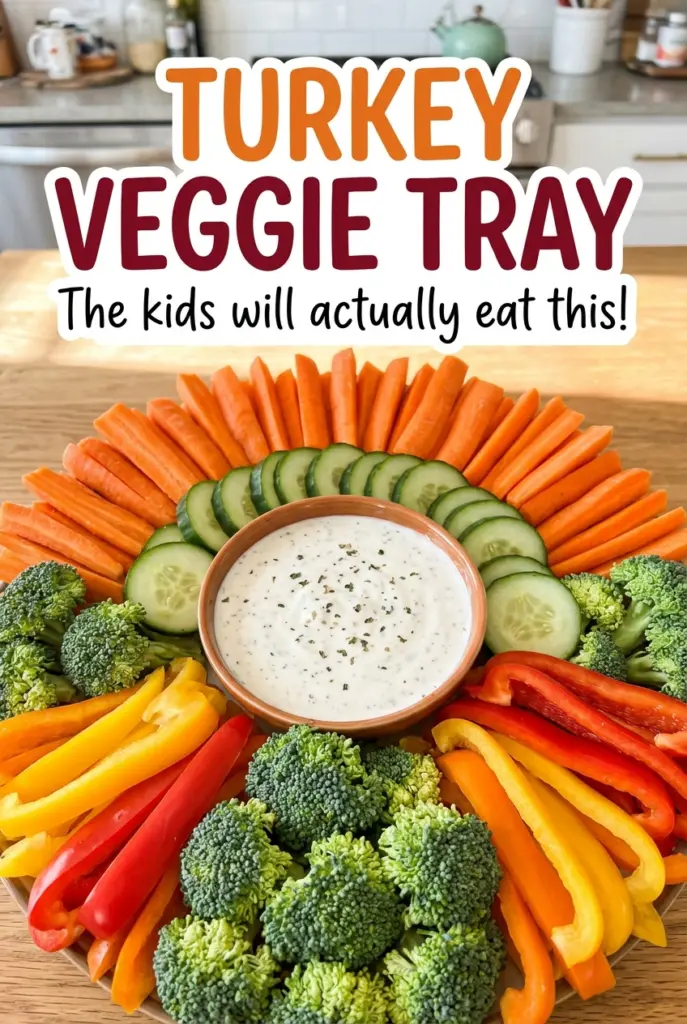
Turkey Veggie Tray
The potatoes and carrots need a head start; put everything on the pan at once and the broccoli has a long wait in a hot oven while the root vegetables…
Tip: save now, cook later.The potatoes and carrots need a head start; put everything on the pan at once and the broccoli has a long wait in a hot oven while the root vegetables catch up. I learned to stagger the vegetables and turkey so each part gets the time it needs. This Turkey Veggie Tray keeps dinner on one pan without asking the tender turkey to wait around for potatoes to soften.
The order matters more than any fancy seasoning here. Potatoes and carrots roast first, the turkey joins them, and broccoli goes in last. I keep the seasoning simple with olive oil, kosher salt, black pepper, and garlic powder, then use the thickest part of the tenderloin to judge when it’s ready. On the plate, you get tender vegetables with browned edges and turkey that’s ready to slice.
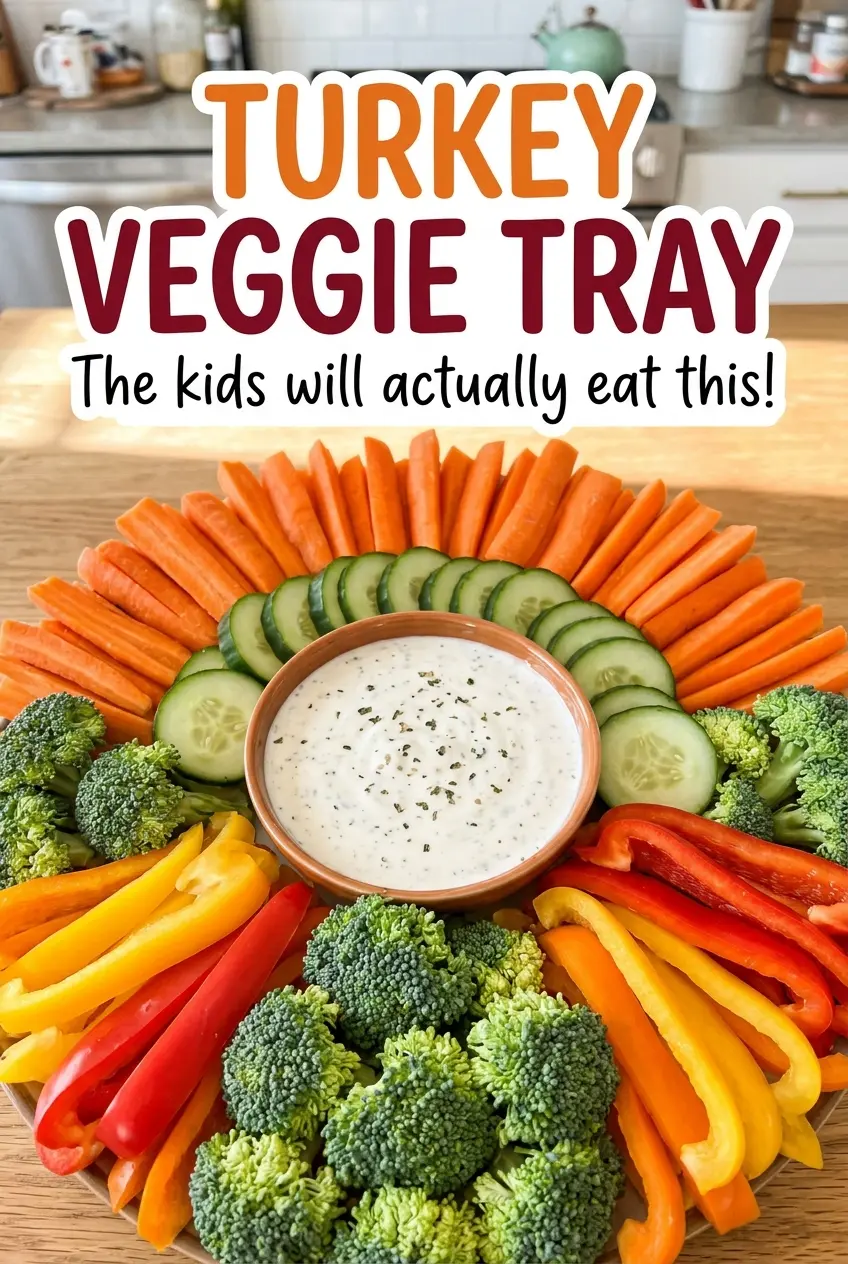
Kitchen Note
Cut the carrots into pieces close to the same size. If some are much thicker than others, the small pieces can soften before the big ones do.
Save this Turkey Veggie Tray for a one-pan dinner with tender turkey and vegetables roasted in stages.
Why the Broccoli Goes on After the Potatoes and Carrots
These vegetables don’t soften at the same pace. Potatoes and carrots are dense, so they benefit from time in the oven before the more delicate broccoli joins them. The turkey also needs a shorter window than the first vegetables, which is why it goes onto the pan after they’ve started roasting.
That staggered start gives each ingredient its own stretch of oven time without needing a second pan. It also makes the final check easier: the turkey and vegetables finish together when their timing lines up, but they don’t have to. If the thickest part of the turkey reaches its safe temperature first, taking it off the pan lets the vegetables keep roasting without pushing the meat past its target. It’s a small bit of timing that protects the tenderloin from drying out.
What Each Ingredient Brings to This Turkey Tray
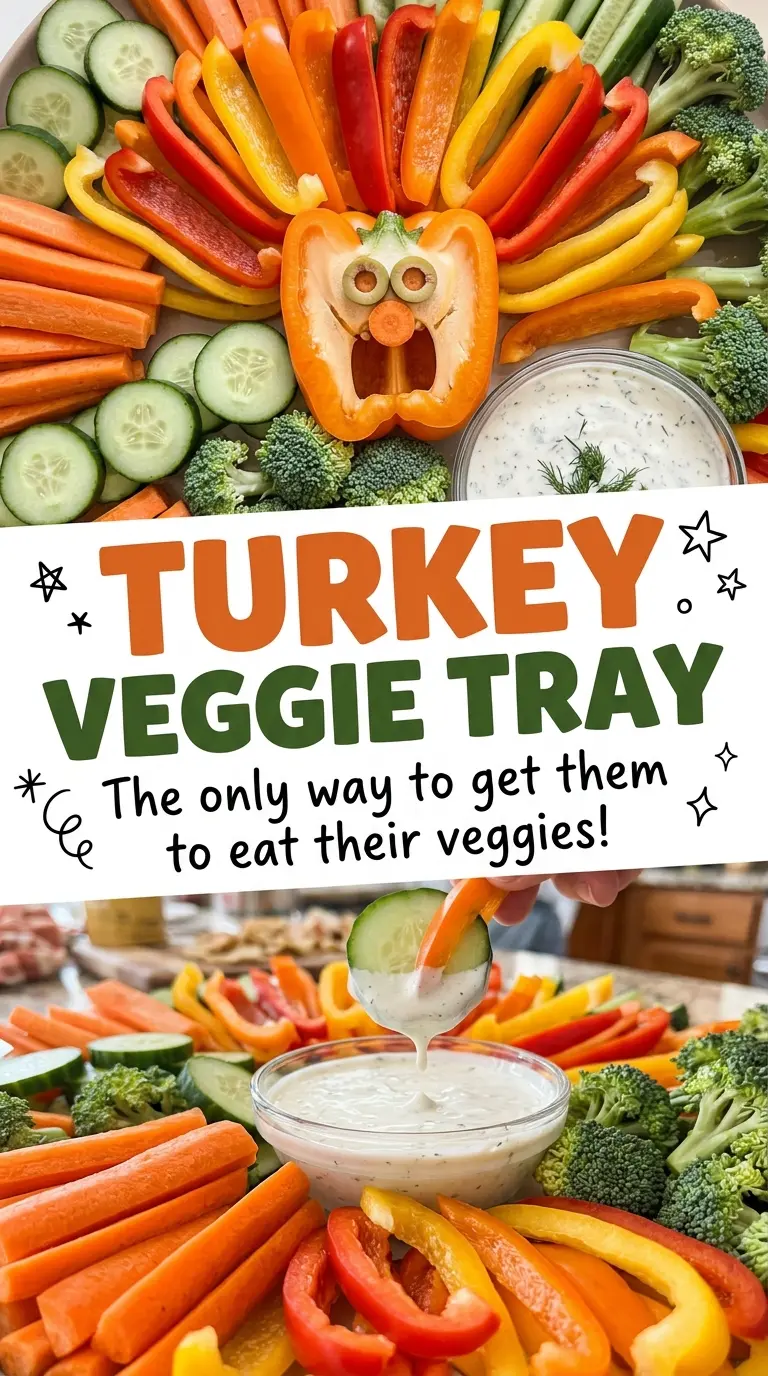
- Baby potatoes — Halving them gives the cut sides contact with the pan and helps the centers become tender as they roast. Choose potatoes that feel firm, without soft spots; there’s no need for a specialty variety.
- Carrots — Their sweetness balances the savory turkey and pepper. Regular medium carrots work well, and cutting them into pieces about the same size helps them cook evenly.
- Olive oil — The oil coats the vegetables and helps the seasonings cling, while also making it easier to rub the turkey evenly. A basic olive oil is fine; a strongly flavored finishing oil isn’t needed here.
- Turkey tenderloins — Tenderloins are lean and cook relatively quickly, so the temperature check matters more than judging by color alone. Look for packages with pieces of similar thickness so they’re more likely to finish at the same time.
- Garlic powder — It spreads evenly over the tenderloin and seasons the meat without adding pieces of fresh garlic that could darken on the pan. Use a fresh, dry jar so it sprinkles freely rather than clumping.
- Broccoli — A large head gives the pan a green vegetable that roasts quickly and picks up the oil and seasoning. Choose a firm head with tight florets, then cut it into pieces that are easy to toss and serve.
How to Time the Turkey and Vegetables on One Pan
Give the hearty vegetables their head start
Heat the oven to 425°F and line an 18×13-inch rimmed baking sheet with parchment paper. Toss the halved potatoes and carrot pieces on the pan with 1 tablespoon olive oil, 1 teaspoon kosher salt, and 1/2 teaspoon black pepper. Spread them in an even layer rather than leaving a pile in the middle. Roast for 15 minutes, until they’ve had time to begin softening.
Season the tenderloins evenly
While the first vegetables roast, rub the turkey tenderloins with 1 tablespoon olive oil, the remaining 1 teaspoon kosher salt, the remaining 1/2 teaspoon black pepper, and the garlic powder. Coat the surfaces evenly so you don’t end up with one heavily seasoned patch and one bare side. After the vegetables’ first roast, arrange the tenderloins among them on the baking sheet. Roast for 10 minutes.
Add the broccoli for its shorter roast
Toss the broccoli florets with the remaining 1 tablespoon olive oil, then add them to the pan. Return the sheet to the oven for 15–20 minutes. The vegetables should be tender, and the thickest part of the turkey should register 165°F. Check the turkey before assuming the vegetables and meat are ready at the same moment.
Rest before slicing
If the turkey reaches 165°F before the vegetables are tender, transfer it to a plate and let the vegetables continue roasting. Once everything is ready, rest the turkey for 5–10 minutes before slicing and serving. Cutting into it right away lets more of its juices run onto the plate. Slice across the tenderloins and serve with the roasted vegetables.
Simple Ways to Adapt the Tray Without Adding Ingredients
Skip the potatoes for a lower-starch plate
Leave the potatoes off the tray and roast the turkey with the carrots and broccoli. The meal will have less starchy bulk, though carrots and broccoli still contain carbohydrates, so this isn’t a carb-free version.
Leave out the carrots for a two-vegetable tray
Roast the potatoes and broccoli alongside the turkey, keeping the same simple olive-oil-and-seasoning approach. You’ll have fewer sweet, tender bites from the carrots and a more straightforward potato-and-broccoli side.
Pack it as separate meal-prep portions
Slice the turkey and divide it among containers with portions of the roasted vegetables. Keeping the pieces arranged side by side makes it easy to take a balanced portion without adding anything to the tray.
Storage and Reheating
- Refrigerator: Store leftovers in a covered container for 3–4 days. The broccoli and potatoes will soften as they sit.
- Freezer: Freeze cooled portions in airtight containers for up to 2–3 months for best quality. The turkey freezes well, but the vegetables will be softer after thawing.
- Reheating: Warm a portion in the microwave or in a covered oven-safe dish until hot throughout. Avoid prolonged heating, which can dry out the lean turkey.
Questions That Come Up When Making This Turkey Veggie Tray
Turkey Veggie Tray
Ingredients
Equipment
Method
- Heat the oven to 425°F.
- Line an 18x13-inch rimmed baking sheet with parchment paper.
- Toss the potatoes and carrots with 1 tablespoon olive oil, 1 teaspoon salt, and 1/2 teaspoon pepper on the baking sheet.
- Spread the potatoes and carrots in an even layer.
- Roast for 15 minutes.
- Rub the turkey tenderloins with 1 tablespoon olive oil, the remaining 1 teaspoon salt and 1/2 teaspoon pepper, and the garlic powder.
- Place the turkey tenderloins on the baking sheet among the vegetables.
- Roast for 10 minutes.
- Toss the broccoli with the remaining 1 tablespoon olive oil and add it to the pan.
- Roast for 15-20 minutes, until the vegetables are tender and the thickest part of the turkey registers 165°F; if the turkey reaches temperature first, transfer it to a plate and continue roasting the vegetables until tender.
- Rest the turkey for 5-10 minutes.
- Slice and serve.