
Southern Candied Yams
When the foil comes off, the sweet potato rounds have softened and the butter-sugar syrup is bubbling around their edges. That’s when Southern Candied Yams start to look like the…
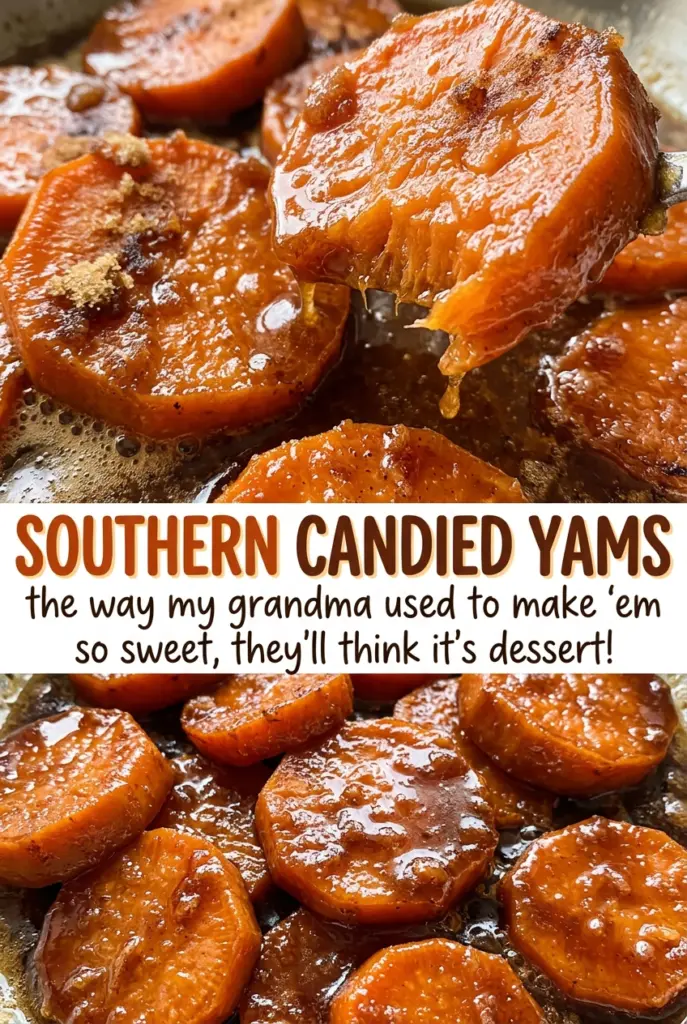
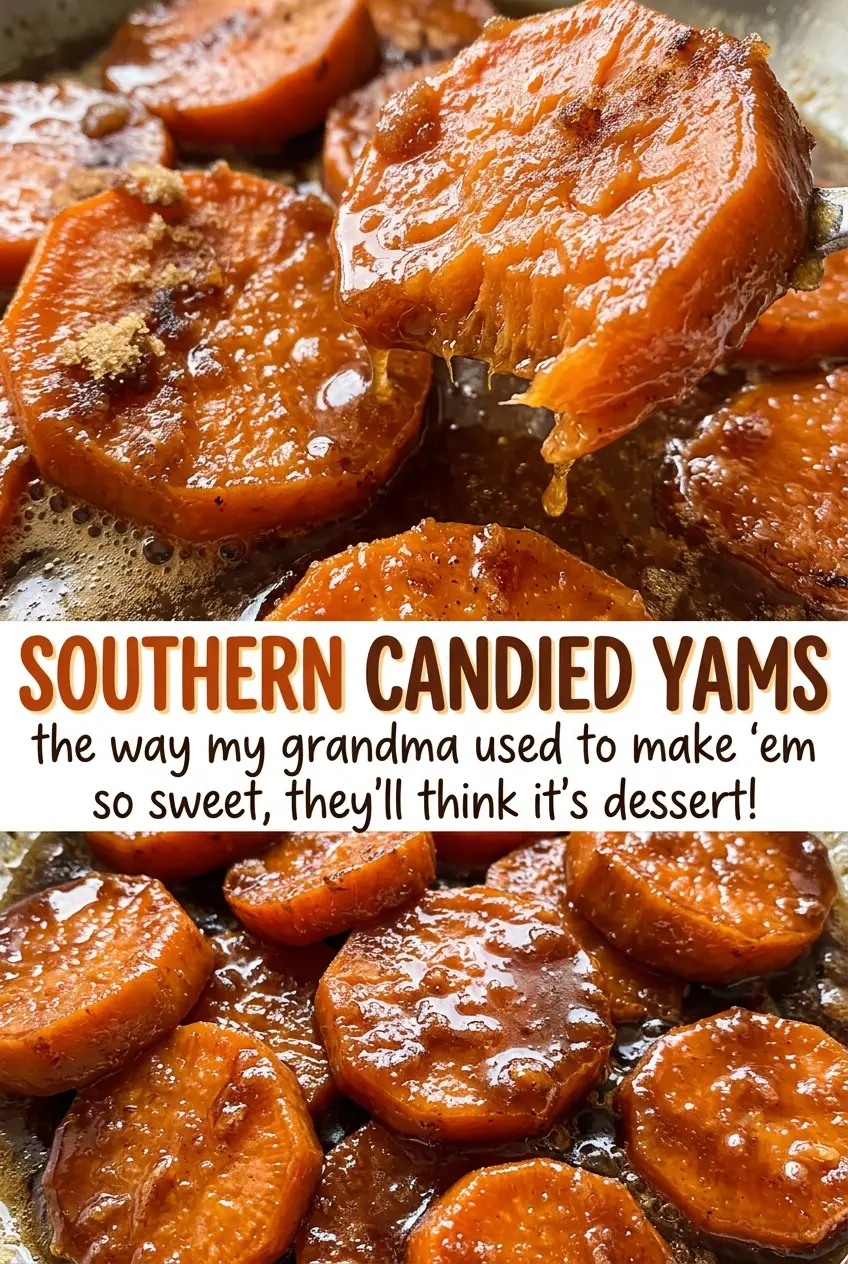
Tip: save now, cook later.When the foil comes off, the sweet potato rounds have softened and the butter-sugar syrup is bubbling around their edges. That’s when Southern Candied Yams start to look like the dish I want on the table: tender slices with a glossy coating, not dry potatoes with a crust of hardened sugar. I arrange the rounds with a little overlap so each spoonful gets some syrup and a few pieces.
The syrup starts on the stovetop, but it doesn’t need to turn thick or sticky there. A brief simmer dissolves the sugars; the oven does the slower work of softening the sweet potatoes and glazing them. I use rounds cut to the same thickness, then bake them covered before uncovering the dish for the finish. The result is warmly spiced, buttery, and soft enough to cut with a fork, with syrup left in the dish for spooning over the top.
Kitchen Note
Give the yams their full 10-minute rest before serving. The syrup settles around the rounds, so it’s easier to lift out intact pieces and spoon the glossy sauce over them.
Save these Southern Candied Yams for a meal that calls for tender sweet potatoes and a buttery cinnamon glaze.
Why the Syrup Should Stay Loose Until the Sweet Potatoes Bake
Candied yams aren’t meant to have a brittle candy coating. The syrup needs enough fluidity to run between the rounds and coat their surfaces as they soften. If you try to cook it down until it’s thick in the saucepan, the sugars can become sticky before the sweet potatoes have had a chance to absorb the syrup’s flavor.
That balance is why this version uses both brown and granulated sugar with water. The brown sugar brings a deeper, molasses-like sweetness, while the granulated sugar keeps the syrup from tasting too heavy. Butter gives it richness, and the spices perfume the whole dish without making the sweet potatoes taste like dessert filling. In the oven, the rounds release moisture as they cook, and the syrup gradually turns glossy around them. It should coat the potatoes and still leave a little sauce in the baking dish for serving.
The cut and arrangement matter here, too. Half-inch rounds cook at a steady pace, and a slight overlap keeps them nestled together instead of spread thinly across the pan. That gives you soft centers and edges that hold their shape when you serve them.
What the Sweet Potatoes and Two Sugars Bring to the Syrup
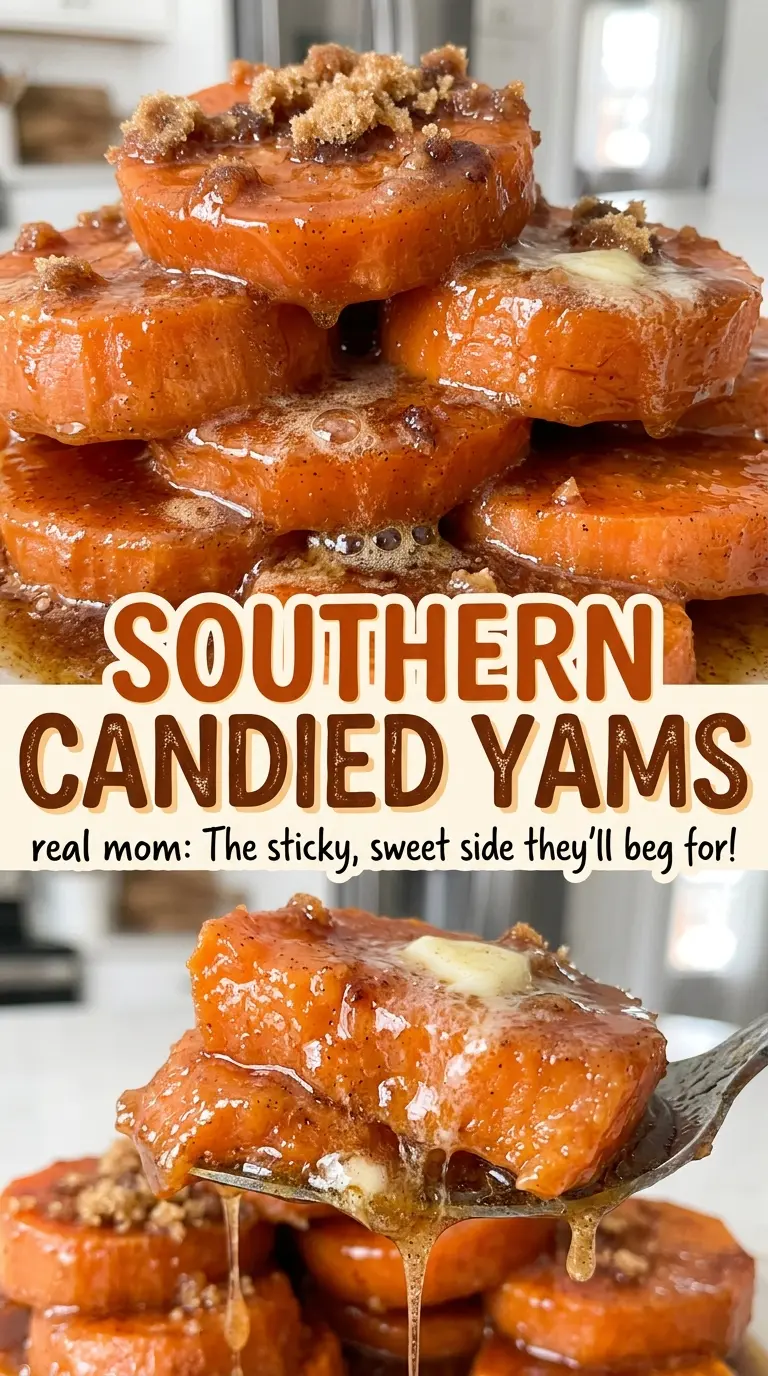
- Sweet potatoes — Choose firm roots without soft spots, and peel them before slicing. Sweet potatoes are often labeled “yams” in American grocery stores; that’s the familiar ingredient for this dish. Cut the rounds evenly so they soften at about the same rate. A sharp knife makes it easier to keep the slices close to the same thickness.
- Unsalted butter — Butter carries the spices and gives the syrup its rounded, rich taste. A regular store-brand butter works well; there’s no need for a specialty butter here. If you need a dairy-free version, use a dairy-free baking stick rather than a soft tub spread.
- Light brown sugar and granulated sugar — The brown sugar supplies its warm, caramel-like note, while granulated sugar balances it with a cleaner sweetness. Fresh, soft brown sugar stirs into the syrup more easily than a hard, dry lump. If your brown sugar has clumped, break it up before adding it to the saucepan.
- Cinnamon and nutmeg — These spices give the syrup its familiar warmth. Ground spices from a recently opened jar have a clearer aroma, though everyday pantry spices work. Stir them into the melted butter and sugars so they disperse through the syrup rather than landing in isolated spots.
- Vanilla extract — Stir vanilla in after removing the saucepan from the heat. That preserves its aroma better than simmering it with the sugars. Pure vanilla extract has a fuller flavor, but imitation vanilla is a workable pantry substitute.
Build the Syrup First, Then Let the Oven Finish the Glaze
Set Up an Even Layer of Rounds
Heat the oven to 350°F and grease a 9×13-inch baking dish. Arrange the peeled sweet potato rounds in the dish with a slight overlap. Aim for a fairly even layer rather than piling the slices into a mound; crowded, uneven stacks can cook at different rates. The rounds should sit close enough to support one another while still leaving room for syrup to run between them.
Stir the Spices Into the Melted Butter
Melt the butter in a small saucepan over medium heat. Stir in both sugars, the water, cinnamon, nutmeg, and salt, then simmer while stirring until the sugars dissolve, about 2 minutes. The mixture should look smooth rather than grainy, and you’ll see the spices spread through the butter. Take the pan off the heat before stirring in the vanilla, then pour the syrup evenly over the sweet potatoes.
Cover Until the Rounds Are Nearly Tender
Cover the baking dish tightly with foil and bake for 40 to 45 minutes. The foil holds in moisture while the thicker pieces soften, so don’t skip it or leave a loose gap at the edges. At the end of this stage, check a round with a fork: it should be close to tender, though it doesn’t need to be completely soft yet. If the center pieces still feel firm, they need more time in this covered stage before the glaze finish.
Uncover for the Bubbling, Glossy Finish
Remove the foil and spoon syrup from the bottom of the dish over the rounds. Return the dish to the oven for 20 to 25 minutes, until the sweet potatoes are tender and glazed and the syrup is bubbling. Look for a sheen on the slices and active bubbles around the edges, not a dry surface. If the tops look less coated than the pieces below, spoon some of the bubbling syrup over them before serving.
Three Small Changes That Still Let the Yams Shine
Make the syrup dairy-free
Replace the butter with the same amount of dairy-free baking stick. Choose a firm stick-style product, not a soft tub spread, so the syrup doesn’t pick up extra water. The yams will still glaze, though the butter flavor will be less pronounced.
Lean into the cinnamon
Leave out the nutmeg for a cinnamon-forward version. The syrup will taste simpler and a little less earthy, while the sweet potatoes and brown sugar remain the center of the dish.
Use brown sugar for all the sweetness
Swap the granulated sugar for an equal measure of packed light brown sugar. The finished syrup will have a deeper molasses note and a softer, less clean-edged sweetness.
Storage and Reheating
- Refrigerator: Refrigerate leftovers within 2 hours and keep them covered in an airtight container for up to 4 days. The sweet potatoes will soften a little more as they sit.
- Freezer: Freeze cooled portions with some syrup in an airtight freezer-safe container for up to 2 months. Thaw overnight in the refrigerator; the texture may be softer after thawing.
- Reheating: Warm a portion in the microwave in 30-second bursts, spooning syrup over the top first. For a larger amount, cover and warm it in a 350°F oven until hot. Leaving the dish uncovered while reheating can dry the exposed slices.
Questions That Come Up While Making Candied Yams
Southern Candied Yams
Ingredients
Equipment
Method
- Heat the oven to 350°F.
- Grease a 9x13-inch baking dish.
- Arrange the sweet potato rounds in the baking dish, overlapping them slightly.
- Melt the butter in a small saucepan over medium heat.
- Stir in the brown sugar, granulated sugar, water, cinnamon, nutmeg, and salt.
- Simmer, stirring, until the sugars dissolve, about 2 minutes.
- Remove the saucepan from the heat.
- Stir in the vanilla.
- Pour the syrup evenly over the sweet potatoes.
- Cover the dish tightly with foil.
- Bake for 40 to 45 minutes, until the sweet potatoes are nearly fork-tender.
- Remove the foil and spoon syrup over the sweet potatoes.
- Bake for 20 to 25 minutes, until tender and glazed and the syrup is bubbling.
- Let the yams rest for 10 minutes before serving.
