
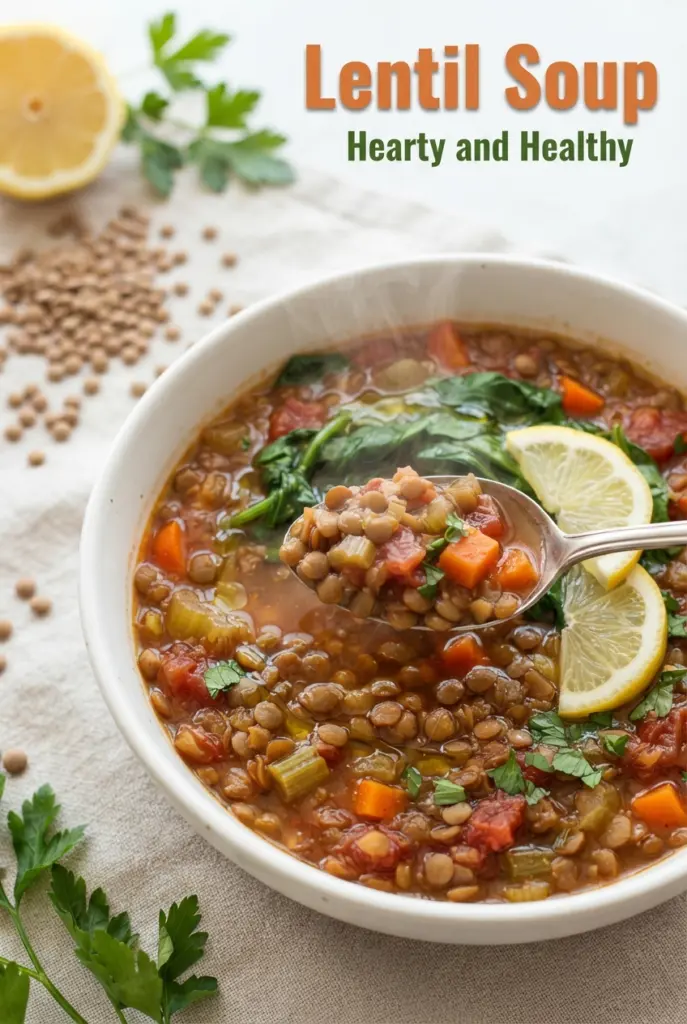
Lentil Soup
Thick, smoky lentil soup has a way of tasting like it simmered all afternoon, even when it comes together in one pot on a weeknight. The lentils turn tender without…
Tip: save now, cook later.Thick, smoky lentil soup has a way of tasting like it simmered all afternoon, even when it comes together in one pot on a weeknight. The lentils turn tender without falling apart, the vegetables melt into the broth, and that last hit of lemon wakes up every spoonful. It’s the kind of soup that feels steady and satisfying, with enough body to eat as a meal and enough brightness to keep it from tasting heavy.
What makes this version work is the layering. The onion, carrot, and celery cook long enough to sweeten, then the tomato paste goes in with the spices so the cumin and smoked paprika bloom before the liquid is added. That step gives the broth a deeper, rounder taste than dumping everything in at once. Brown or green lentils are the right choice here because they hold their shape; red lentils will turn much softer and make the soup more puree-like.
Below, I’ll walk through the small details that matter most, including how to adjust the texture, how to keep the lentils from going mushy, and what to do if you want a thicker bowl without adding cream.
The lentils held their shape perfectly and the lemon at the end made the whole pot taste brighter. I blended just a few pulses and it came out thick and hearty without feeling mushy.
Save this smoky lentil soup for a one-pot dinner with tender lentils, bright lemon, and a thicker texture that eats like a full meal.
The Reason This Soup Tastes Deeper Than a Basic Lentil Pot
The biggest mistake with lentil soup is treating it like boiled lentils with vegetables floating in broth. That approach gives you a flat, one-note pot. The better move is to build flavor in stages: soften the vegetables first, toast the spices in the tomato paste, then add the liquid only after that base smells sweet and smoky. Those few minutes are where the soup gets its backbone.
Another place people go wrong is the simmer. Lentils should cook at a steady, gentle bubble, not a hard boil. If the heat stays too high, the outsides break down before the centers are tender, and the broth can turn murky and starchy. A partly covered pot helps you keep enough liquid in the pan while still letting the soup reduce a little for body.
- Softened aromatics — The onion, carrots, and celery need time to lose their raw edge. If they’re still crunchy when the broth goes in, the soup will taste thin even if it simmers long enough.
- Tomato paste — This adds concentration and a little richness. Cooking it for a minute with the spices removes the raw tomato taste and gives the broth a darker color.
- Brown or green lentils — These hold their shape and give you that spoonable, hearty texture. Red lentils cook too fast and break down into a puree, which changes the whole dish.
What Each Ingredient Is Actually Doing in This Pot

Olive oil carries the flavors and helps the vegetables soften without browning too fast. A yellow onion is standard here because it turns sweet and gives the broth some depth, while carrots and celery add the familiar soup base that makes the whole pot taste rounded instead of sharp.
Garlic, cumin, smoked paprika, and thyme do the heavy lifting on the spice side. Smoked paprika gives the soup its smoky edge, so use the good stuff if you can. Tomato paste is worth keeping in the pantry for this recipe because it brings concentrated tomato flavor and helps the broth taste cooked and layered instead of thin. Vegetable broth works well, but if yours is especially salty, hold back a little of the added salt until the end.
Spinach goes in at the very end so it stays green and tender. Lemon juice matters more than it looks like it should; it doesn’t make the soup sour, it sharpens the lentils and keeps the broth from tasting dull. If you only have kale, use it, but let it simmer a few extra minutes so it softens properly.
Building the Pot in the Right Order
Softening the vegetables first
Start with the onion, carrots, and celery in hot olive oil and cook them until they lose their raw crunch and the onion turns translucent at the edges. This is where the soup gets its sweet, savory base. If you rush this stage, the final broth tastes like spices floating over undercooked vegetables.
Blooming the spices in tomato paste
Stir in the garlic, cumin, smoked paprika, thyme, and tomato paste, then cook for about a minute. The pan should smell warm and a little smoky, not sharp or raw. If the garlic starts to brown, the heat is too high; pull it back, because burnt garlic will carry through the whole pot.
Simmering until the lentils are tender
Add the tomatoes, lentils, broth, and bay leaves, then bring the pot to a boil before lowering it to a steady simmer. You want the lentils moving gently, not tumbling hard. Check them around the 30-minute mark; when they’re tender but still intact, the soup is ready for the finish.
Finishing with texture and brightness
Take out the bay leaves, then pulse the soup a few times with an immersion blender if you want a thicker texture. Don’t puree the whole pot unless you want a smooth soup; a few blended pulses give you body while keeping some lentils whole. Stir in the spinach until just wilted, then add the lemon juice, salt, and pepper at the end so the flavor stays fresh and clean.
Three Ways to Adjust This Lentil Soup Without Breaking It
Make it vegan and still keep it hearty
This recipe is already naturally vegan if you use vegetable broth, so there’s nothing to replace. That’s part of why it works so well for mixed diets: the lentils carry the meal, and the lemon and spices keep it from tasting like a compromise.
Swap the spinach for kale or Swiss chard
Kale needs a few extra minutes to soften, while Swiss chard lands somewhere in between spinach and kale. Both hold up better than spinach if you’re reheating leftovers, but they’ll give the soup a slightly earthier finish.
Make it thicker without adding cream
Ladle out about 2 cups of soup and blend it smooth, or use an immersion blender for just a few pulses in the pot. That gives you a thicker body and a creamy feel without changing the flavor or making the soup heavy.
Stretch it for a bigger crowd
This soup scales well. Add a little extra broth only if the pot gets too crowded to simmer evenly, and keep the seasoning close to the end so you can correct the balance after everything has softened.
Storage and Reheating
- Refrigerator: Store in an airtight container for up to 5 days. The lentils will absorb more liquid as it sits, so the soup thickens by the next day.
- Freezer: It freezes well for up to 3 months. Cool it completely first, then portion it into freezer containers and leave a little space at the top for expansion.
- Reheating: Warm it gently on the stove over medium-low heat with a splash of broth or water. Don’t boil it hard, or the lentils can split and the spinach will lose its texture.
Answers to the Questions Worth Asking
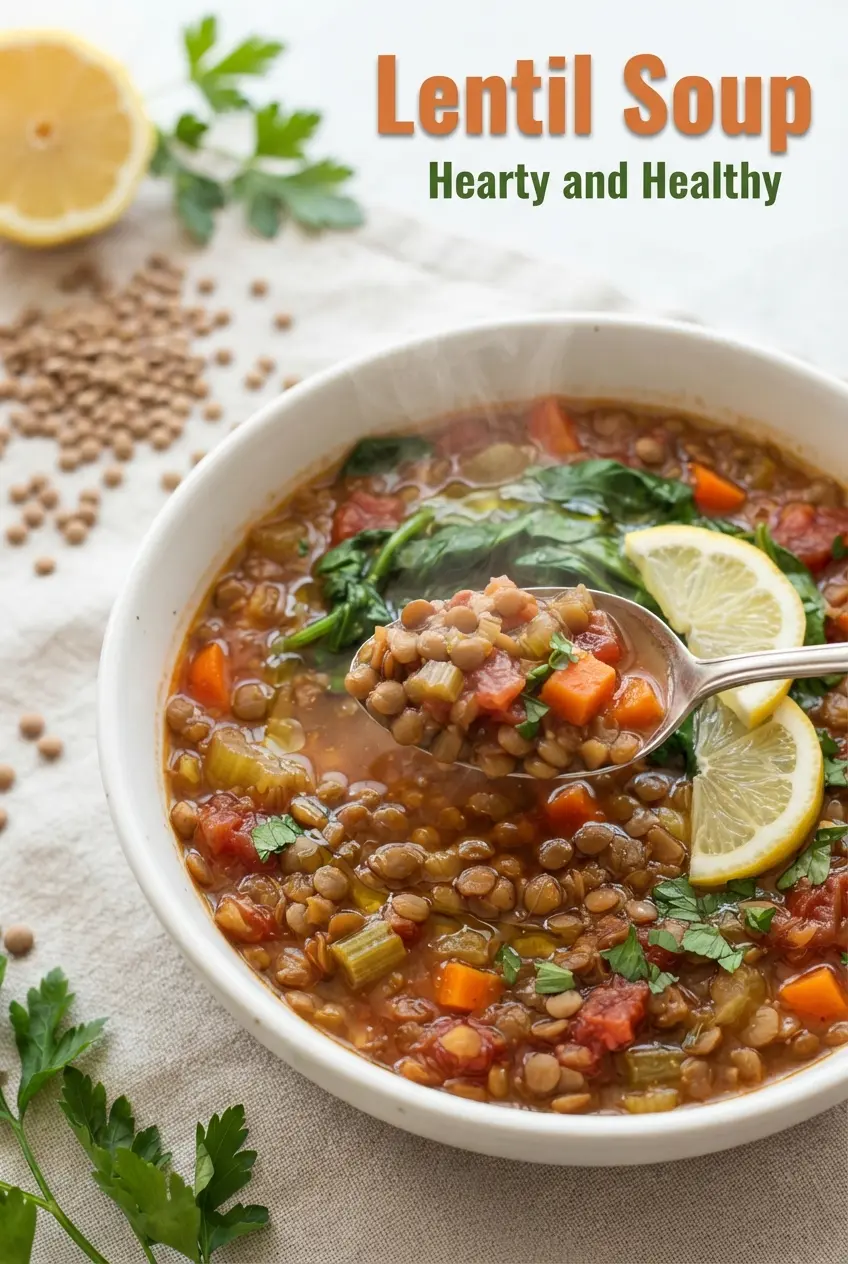
Smoky Lentil Soup with Lemon
Ingredients
Equipment
Method
- Heat 2 tbsp olive oil in a large pot over medium heat. Wait until the oil is shimmering for a glossy surface before adding vegetables.
- Add the onion, carrots, and celery and cook for 6 to 7 minutes, until softened. Stir occasionally so the mixture cooks evenly and loses its crunch.
- Stir in the garlic, ground cumin, smoked paprika, dried thyme, and tomato paste and cook for 1 minute. Cook until fragrant and darker, with the tomato paste clinging to the vegetables.
- Add the diced tomatoes, brown or green lentils, vegetable broth, and bay leaves. Scrape the pot bottom to loosen any browned bits for extra flavor.
- Bring to a boil, then lower the heat and simmer, partly covered, for 30 to 35 minutes, until the lentils are tender. Look for steady bubbles and a thickening broth as the lentils soften.
- Remove the bay leaves. Take them out before blending so they don’t leave any texture behind.
- Blend a few pulses with an immersion blender for a thicker texture, if desired. Blend just enough to partially thicken while leaving some lentils intact.
- Stir in the baby spinach until wilted. The soup should turn greener within about a minute.
- Stir in the lemon juice, salt, and black pepper and serve. Taste and adjust only if needed, then dish out hot.