
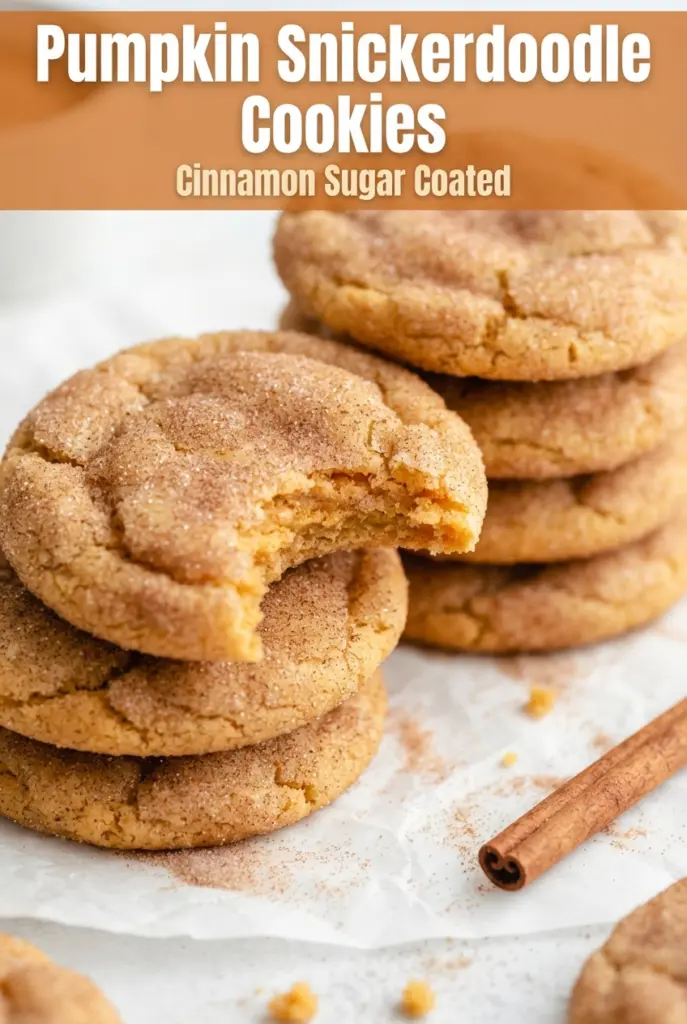
Pumpkin Snickerdoodle Cookies
Pumpkin snickerdoodle cookies bring the best parts of two classic cookies into one soft, chewy bite. You get that familiar cinnamon-sugar crackle on the outside, then a tender center with…
Tip: save now, cook later.Pumpkin snickerdoodle cookies bring the best parts of two classic cookies into one soft, chewy bite. You get that familiar cinnamon-sugar crackle on the outside, then a tender center with just enough pumpkin to keep the texture plush without turning cakey. The edges set up lightly crisp, which gives each cookie a little contrast and keeps them from feeling heavy.
The key is controlling moisture. Pumpkin puree carries a lot of water, and if it goes in straight from the can, the dough can spread oddly and bake up more like muffin tops than cookies. Blotting the puree first, then chilling the dough, is what keeps these cookies thick and chewy. Cream of tartar also matters here because it gives snickerdoodles their signature tang and helps the texture stay soft instead of turning flat and sandy.
Below you’ll find the small details that make these worth repeating: how to keep the spice coating sparkly instead of muddy, why only the egg yolk goes in, and the exact bake time that gives you set edges with a soft middle.
The pumpkin flavor came through without making the cookies cakey, and the cinnamon sugar coating stayed crisp even the next day. I chilled the dough like you said and they baked up thick and soft in the middle.
Save these pumpkin snickerdoodle cookies for a soft, chewy cookie with a crisp cinnamon-sugar coat and just the right amount of pumpkin spice.
The Reason These Cookies Stay Soft Instead of Turning Puffy
Most pumpkin cookies go wrong in one of two ways: they spread too much or they bake up cakey and dry. The fix here is a little old-fashioned snickerdoodle discipline. You’re using just the egg yolk, not the whole egg, so the dough stays rich without extra water. Then the pumpkin puree gets blotted, which sounds fussy until you taste the difference. Dry enough pumpkin gives you flavor and tenderness. Wet pumpkin gives you domed little cakes.
Chilling the dough matters just as much. Even a good dough needs time for the butter to firm back up and for the flour to hydrate, and that pause keeps the cookies from flattening into thin, soft discs. The cinnamon-sugar coating also works best when the dough balls are cold; it clings in a thicker layer and bakes into that sparkly shell people expect from a snickerdoodle.
What Each Ingredient Is Actually Doing in This Dough
- All-purpose flour — This gives the cookies their structure without making them tough. Measure it lightly or weigh it if you can, because too much flour is the fastest way to dry out a pumpkin cookie.
- Cream of tartar — This is what makes the cookie taste like a snickerdoodle instead of a plain spice cookie. It also helps the texture stay tender.
- Pumpkin puree — Use pure pumpkin, not pumpkin pie filling. The puree brings flavor and moisture, but it has to be blotted first so the dough doesn’t get loose and sticky.
- Egg yolk — The yolk adds richness and binding without the extra water in the white. That small change is one of the reasons these stay chewy instead of cakey.
- Butter — Softened butter creams with the sugars to create a lighter dough and better spread control. If it’s too warm, the cookies can lean greasy and flatten too much.
- Brown sugar — This adds moisture and a deeper caramel note that works well with pumpkin and cinnamon. Light brown sugar is enough here; dark brown sugar will push the flavor a little heavier.
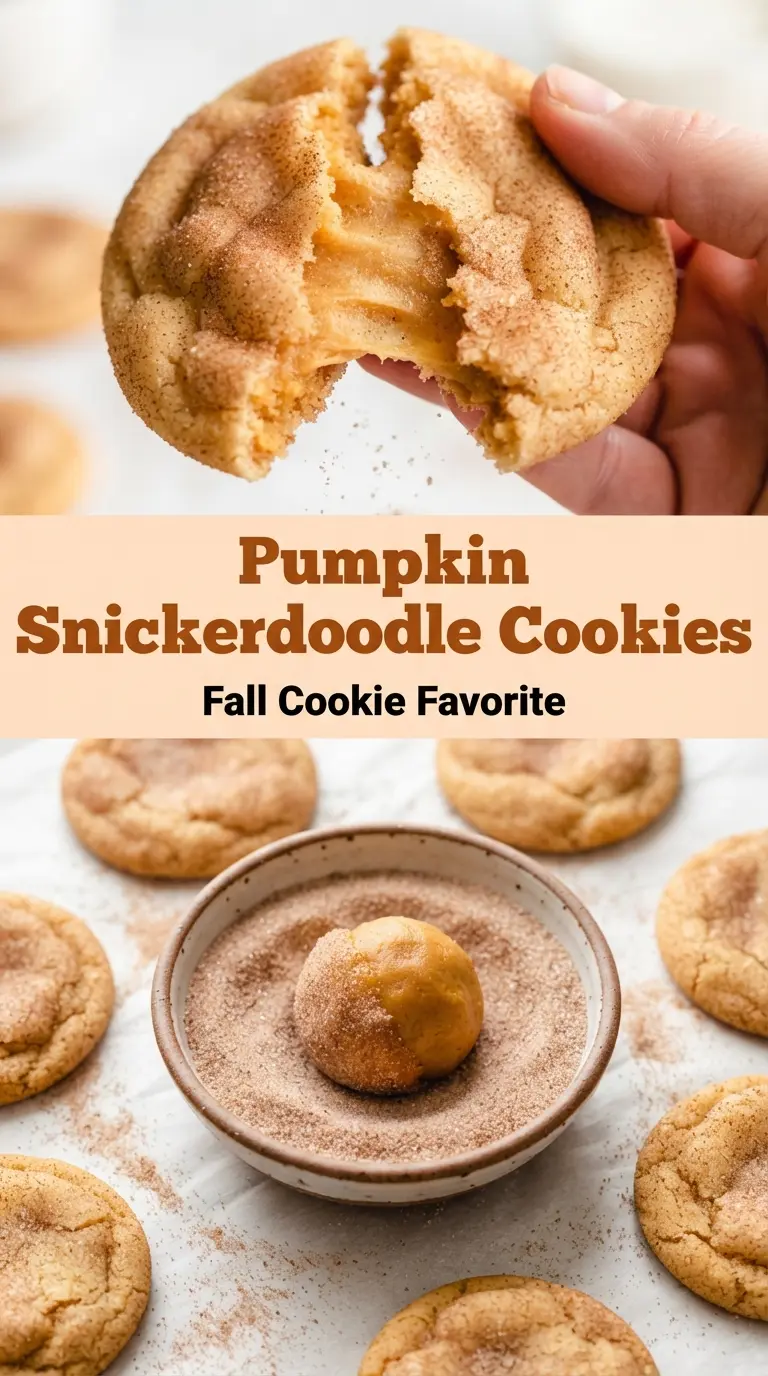
- Cinnamon and pumpkin pie spice — They’re used twice, once in the dough and again in the coating, so the spice reads from the first bite to the last. Don’t skip the coating spice blend if you want the classic snickerdoodle finish.
Building the Dough So It Bakes Thick, Not Puffy
Blot the pumpkin first
Spread the pumpkin puree between layers of paper towels and press out the excess moisture before it goes into the bowl. You don’t need it bone-dry, just noticeably thicker and less glossy. If you skip this step, the dough often turns sticky and the cookies can bake up with a soft, cake-like crumb instead of a chewy one.
Cream the butter and sugars until they lighten
Beat the butter, brown sugar, and granulated sugar until the mixture looks fluffy and a little paler. That takes about two minutes with a mixer, and it’s worth doing properly because this is where the cookie gets its lift. If the butter is too cold, the mixture stays dense; if it’s melting, it won’t hold enough air.
Stop mixing as soon as the flour disappears
Once the dry ingredients go in, mix only until you no longer see streaks of flour. Overmixing here makes the cookies tighter and tougher, and with a spice cookie that small mistake shows up fast. The dough should be soft but scoopable, not wet and pourable.
Roll, coat, and chill before baking
Roll the dough into balls, coat each one well in the cinnamon-sugar mixture, then chill the tray or bowl for at least an hour. That chill time gives you thicker cookies and helps the coating stick. Bake them only until the edges look set and the centers still look a little soft; they’ll finish on the hot pan and stay chewy after cooling.
Three Ways to Adjust These Cookies Without Losing the Snickerdoodle Feel
Gluten-free version with a 1:1 baking blend
Swap the all-purpose flour for a good cup-for-cup gluten-free blend that contains xanthan gum. The cookies will still spread and bake correctly, though the texture may be a touch softer and more delicate at the edges. Chill the dough fully so the blend has time to hydrate.
Dairy-free version with plant butter
Use a solid plant-based butter stick in place of the dairy butter. Avoid soft tub spreads, which usually contain more water and can make the dough too loose. The flavor stays close to the original, but the cookies may brown a little faster, so watch the edges near the end of baking.
Extra spice for a stronger pumpkin pie note
Add another 1/4 teaspoon pumpkin pie spice to the dough and a pinch more to the rolling sugar. That deepens the warm spice flavor without changing the texture, and it works especially well if you want the pumpkin to taste more pronounced. Keep the cinnamon in the coating front and center so the cookies still read as snickerdoodles.
Storage and Reheating
- Refrigerator: Store in an airtight container for up to 5 days. The cookies stay soft, though the coating softens a little by day two.
- Freezer: These freeze well either as baked cookies or as dough balls. Freeze baked cookies in a single layer, then transfer to a bag, or freeze coated dough balls and bake from frozen with 1 to 2 extra minutes.
- Reheating: Warm a baked cookie in the microwave for 8 to 10 seconds if you want the center soft again. Don’t overheat them or the sugar coating will melt and the texture will turn dry at the edges.
Answers to the Questions Worth Asking
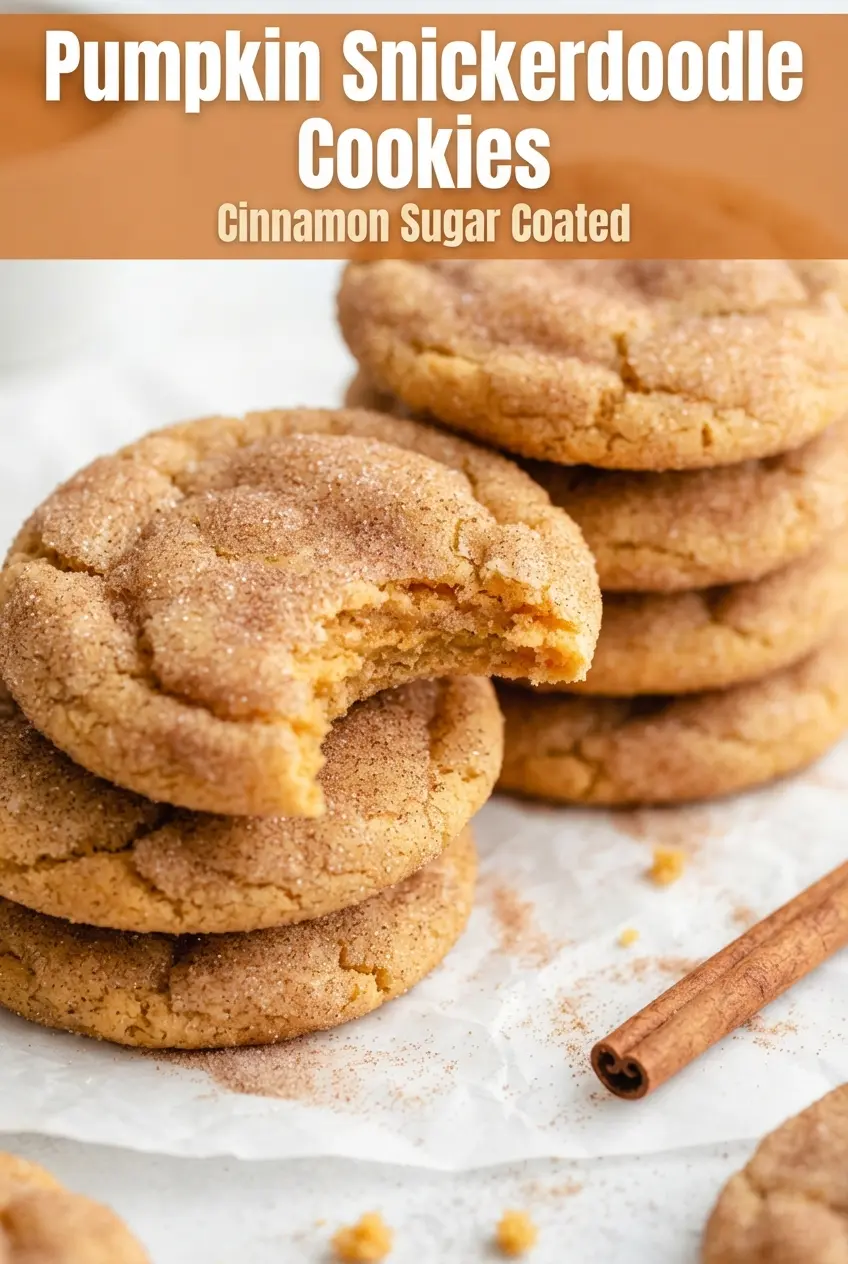
Pumpkin Snickerdoodle Cookies
Ingredients
Equipment
Method
- Blot the pumpkin puree between paper towels to remove excess moisture.
- In a bowl, whisk the all-purpose flour, cream of tartar, baking soda, salt, ground cinnamon, and pumpkin pie spice.
- Beat the unsalted butter with the packed light brown sugar and 1/4 cup granulated sugar until fluffy, about 2 minutes.
- Beat in the pumpkin puree, large egg yolk, and vanilla extract.
- Mix in the dry ingredients until just combined, with no floury streaks left.
- Cover and chill the dough for 1 hour.
- Preheat the oven to 350 F (175 C) and line baking sheets with parchment paper.
- In a small bowl, mix the granulated sugar, ground cinnamon, and pumpkin pie spice for rolling.
- Roll the dough into 1 1/2-tablespoon balls, coat them in the cinnamon sugar and pumpkin pie spice, then place them 2 inches apart.
- Bake for 11 to 12 minutes, until the edges are set, then cool on the sheet for 5 minutes before moving to a wire rack.