
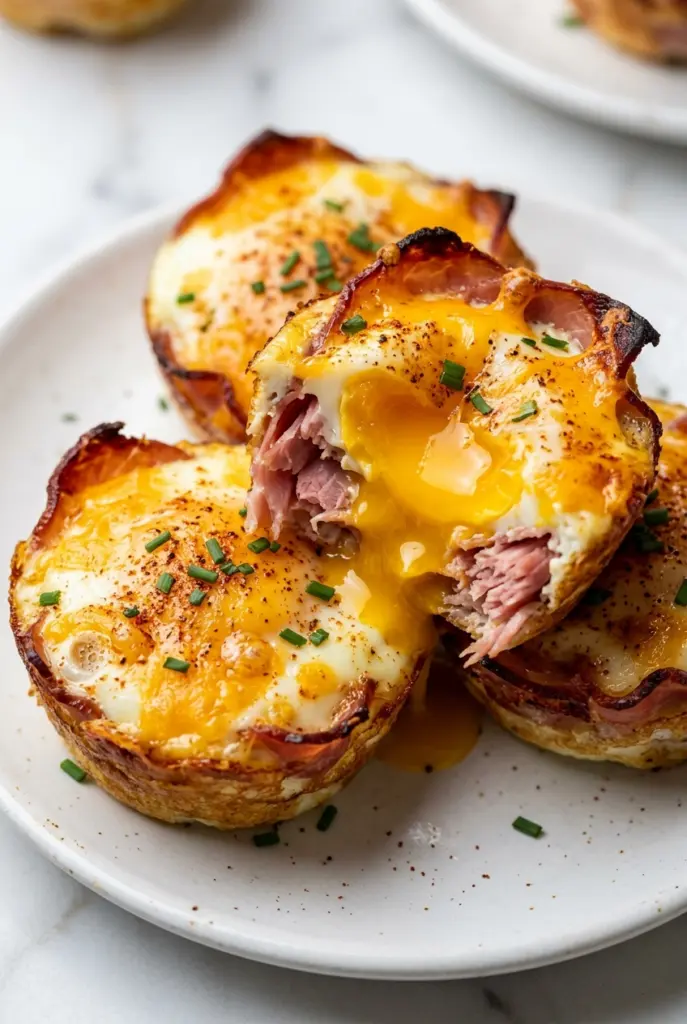
Campfire Egg Cups with Ham
Smoky ham, set whites, and a yolk that still runs into the cheese make these egg cups worth setting a pan aside for first thing in the morning. The ham…
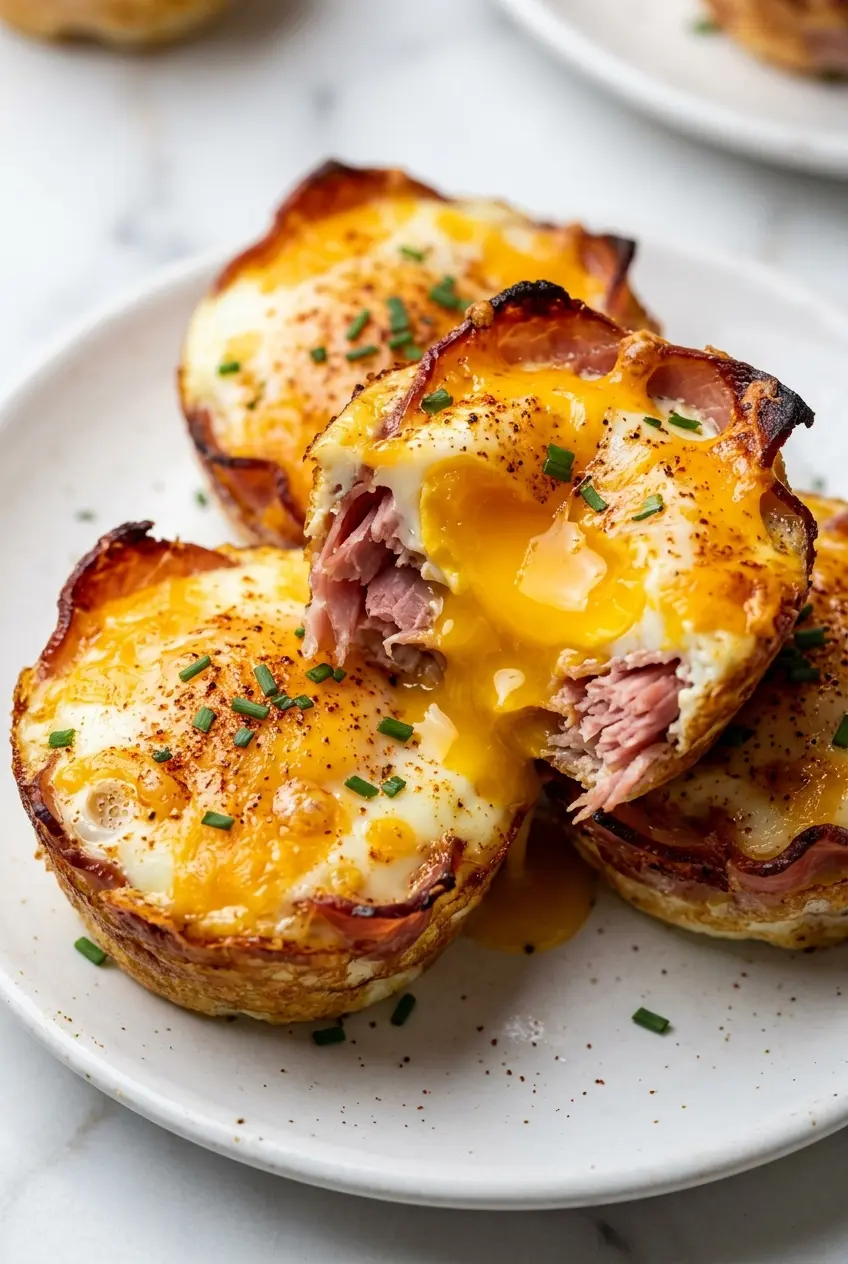
Tip: save now, cook later.Smoky ham, set whites, and a yolk that still runs into the cheese make these egg cups worth setting a pan aside for first thing in the morning. The ham turns crisp at the edges while it holds the eggs in place, so every bite lands with a little salt, a little smoke, and that soft center people keep reaching for. They work just as well over campfire coals as they do in a hot oven, which is why I keep them in the “feed a hungry crowd fast” category.
The trick is using thick-cut round ham slices so they can stand up to the heat without collapsing before the eggs set. A little cream in the bottom keeps the eggs from drying out, and the smoked paprika pulls the whole thing toward campfire flavor even if you’re cooking indoors. Sharp cheddar gives you enough punch to matter without covering up the ham.
Below, you’ll find the timing that keeps the yolks soft, the one prep step that keeps the ham cups from sticking, and a few easy ways to adapt these for different diets or different mornings.
The ham crisped up around the edges and the eggs stayed soft in the middle just like you said. I baked them 13 minutes and the cheese melted into the yolk instead of getting rubbery.
Save these smoky ham and egg cups for a fast breakfast that still feels special, with crisp edges, runny yolks, and almost no cleanup.
The Part Most People Miss: Ham Cups Need Structure Before the Egg Goes In
Ham slices look sturdy, but once they warm up they can slump outward and leak the egg if you rush them. Pressing the ham into a greased muffin tin first gives each cup a shape that holds long enough for the egg white to set. That first minute of structure is the difference between tidy cups and a pan full of runaway whites.
The other mistake is overloading the cup with too much cream or cheese before the egg goes in. A teaspoon of the cream mixture is enough to season the bottom and keep the texture tender. Too much liquid collects under the egg and slows the set, which is how you end up with watery bottoms and overcooked yolks.
- Thick-cut round ham — This is the backbone of the recipe. Thin deli slices tear too easily and don’t hold a cup shape as well. If all you have is thinner ham, use two overlapping slices per cup and press them firmly into the tin.
- Eggs — Large eggs fit best here. Extra-large eggs can overflow the ham walls, while smaller eggs may leave too much empty space and cook unevenly.
- Sharp cheddar — Sharp cheddar gives you the most flavor for the least amount of cheese. Mild cheese melts fine, but it can disappear next to the ham. If you want a cleaner melt, use finely shredded cheese so it blankets the top without clumping.
- Heavy cream or whole milk — The cream softens the eggs and carries the paprika into the cup. Heavy cream gives a silkier finish; whole milk is lighter and still works. Skim milk won’t add much here, so I skip it.
- Smoked paprika — This is what nudges the dish toward campfire flavor even in an oven. Regular paprika won’t give you the same depth, though it will still color the eggs. If you want more smoke, add a tiny pinch more, not a whole spoonful.
The 12 Minutes That Decide Whether the Yolks Stay Runny
Shape the Ham First
Grease the muffin tin lightly, then press one ham slice into each cup with the edges ruffled up the sides. You want the ham to look snug, not folded over into thick layers that stay chewy in the middle. If the slices crack at the edges, that’s fine; those crisp bits are part of the payoff.
Season the Bottom, Not the Top
Whisk the cream, garlic powder, smoked paprika, salt, and pepper together, then spoon a little into each ham cup before the egg goes in. That small amount seasons the base without flooding the cup. If you pour it in too fast, the egg white starts floating and cooks unevenly around the yolk.
Crack the Egg Carefully
Crack each egg into a small bowl first, then slide it into the ham cup. That gives you a chance to spot a broken yolk before it hits the pan. The whites should settle into the cup and the yolk should sit centered; if it slips to one side, the cheese can pile up and brown before the egg is ready.
Cook Until the Whites Set
Bake at 400°F until the whites look opaque and firm at the edges but the yolk still jiggles when you nudge the pan, usually 12 to 15 minutes. Pull them before the yolk looks fully hard if you want that soft center. If you wait for the top to look completely set in the oven, the yolk will be overcooked by the time they cool enough to eat.
Finish Fast and Serve Hot
Use a spoon to lift the cups out right away, then scatter chives and red pepper flakes over the top. Add hot sauce at the table so each person can decide how much heat they want. These sit best in the first few minutes after baking, while the cheese is still soft and the ham edges are crisp.
Three Ways to Make These Work for a Different Morning
Dairy-Free Version Without Losing the Tender Center
Leave out the cream and use a teaspoon of water in each cup instead, or skip the liquid entirely if your ham is very juicy. The eggs will still set properly, but the texture will be a little firmer and less plush. Use a dairy-free shredded cheese if you want the topping, or skip it and finish with herbs and hot sauce.
Low-Carb Breakfast for a Crowd
These already lean low-carb, so the main thing to watch is the cheese and any sauce you serve with them. Keep the toppings simple and serve with sliced avocado or sauteed greens if you want a fuller plate. The ham cup format makes portioning easy, which helps when you’re feeding a group and don’t want to guess.
Use the Grill or Campfire Without Burning the Bottoms
Set the muffin tin over medium-indirect heat, not directly over open flames. Direct fire scorches the ham before the egg white has time to set, especially around the edges of the tin. Tent loosely with foil if the tops are moving too slowly, and rotate the pan once halfway through for even cooking.
Storage and Reheating
- Refrigerator: Store leftovers in an airtight container for up to 3 days. The yolks will firm up as they sit, so expect a less runny center on day two.
- Freezer: These don’t freeze well once the eggs are cooked. The texture turns rubbery after thawing, so I don’t recommend freezing them.
- Reheating: Warm in a 300°F oven for about 8 minutes, just until heated through. The common mistake is blasting them in the microwave, which makes the eggs tough and the ham leathery.
Answers to the Questions Worth Asking
Campfire Egg Cups with Ham
Ingredients
Equipment
Method
- Preheat your oven to 400°F (200°C) (or prepare your campfire/grill for medium-indirect heat). Get a standard 6-cup muffin tin ready for portioning the cups.
- Lightly grease the 6-cup muffin tin. Press one thick-cut ham slice into each cup, letting the edges ruffle up the sides to form a natural cup shape.
- In a small bowl, whisk together the heavy cream, garlic powder, smoked paprika, salt, and black pepper. Stir just until evenly combined with no streaks of spice.
- Drizzle about 1 teaspoon of the cream mixture into each ham cup. Aim to coat the bottom so the egg cooks gently against the ham.
- Crack one egg carefully into each ham cup, keeping the yolk intact. Set them in place without splashing so the yolk stays centered.
- Top each egg with a generous pinch of shredded sharp cheddar. Distribute the cheese so it melts over the yolk as it bakes.
- Bake for 12–15 minutes at 400°F (200°C), until the whites are fully set but the yolks are still slightly jiggly. For fully set yolks, bake 2–4 minutes longer and watch for minimal jiggle in the center.
- Remove the cups from the muffin tin using a spoon, then garnish with fresh chives and red pepper flakes. Serve immediately with hot sauce on the side.